





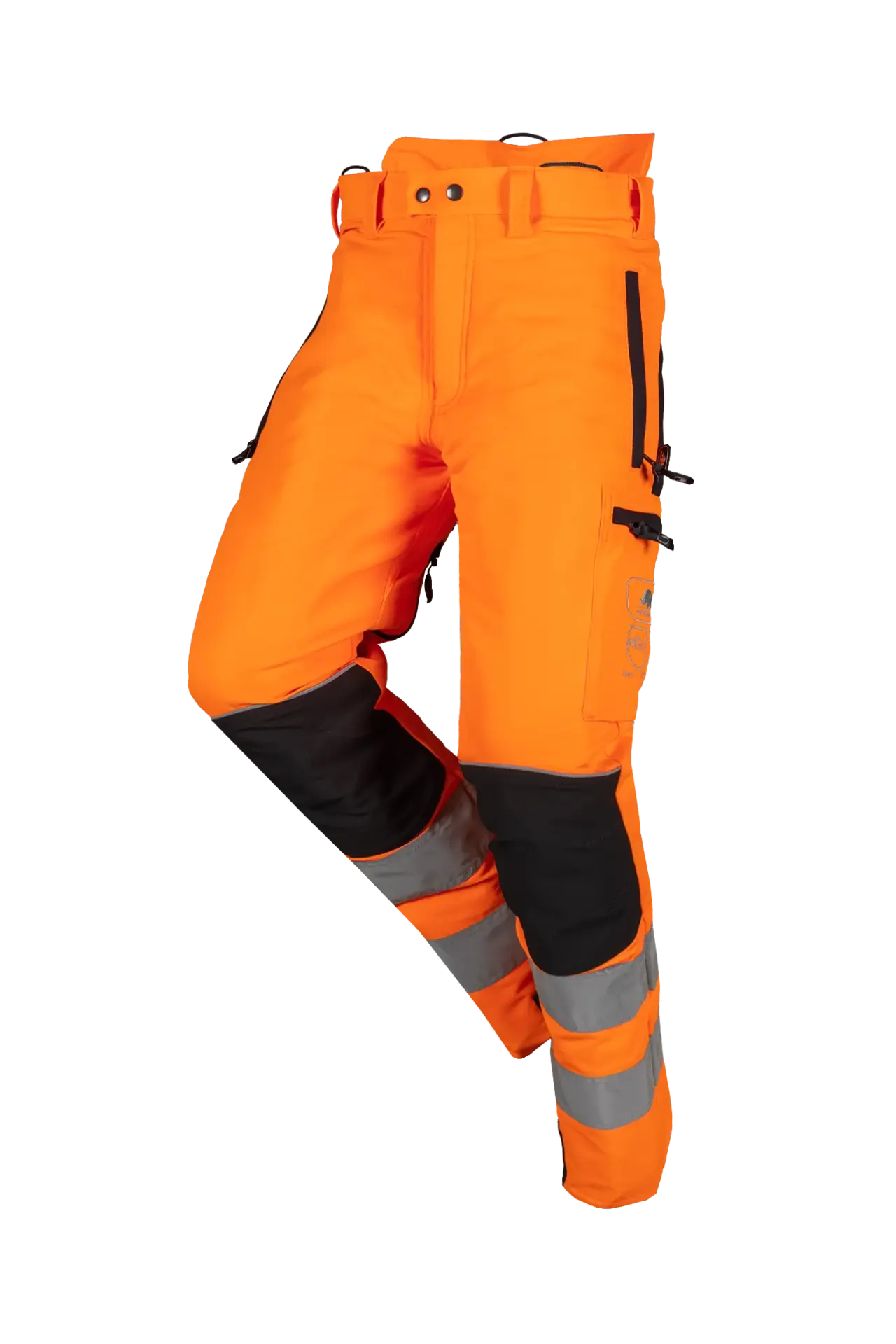
What are the three classes of EN ISO 20471?

EN ISO 20471 Class 1
EN ISO 20471 class 1 protective clothing is appropriate for extra visibility on company grounds and for situations with a low risk of accidents. The maximum traffic speed is 30 km/hour.
This class requires 0.14 m² fluorescent surface and 0.10 m² retroreflective surface.

EN ISO 20471 Class 2
EN ISO 20471 class 2 protective clothing provides good visibility for work in twilight and is suitable for working on public roads. The maximum traffic speed here is 60 km/hour.
This class requires 0.5 m² fluorescent surface and 0.13 m² retroreflective surface.

EN ISO 20471 Class 3
EN ISO 20471 class 3 high visibility garments are recommended when working in the dark on public roads, and they are visible at traffic speeds of more than 60 km/hour.
This class requires 0.8 m² fluorescent surface and 0.2 m² retroreflective surface.
Regardless of the area of materials used, a class 3 jacket should cover the torso and should either have sleeves with retroreflective bands or be worn with full length trousers with retroreflective bands.
Summary of the EN ISO 20471 high visibility classes
| EN ISO 20471 class | Environment | Traffic speed | Fluorescent surface | Retroreflective surface |
|---|---|---|---|---|
| Class 1 | Low-risk environment, company grounds | 30 km/h | ≥ 0.14 m2 | ≥ 0.10 m2 |
| Class 2 | Twilight, public roads | 60 km/h | ≥ 0.50 m2 | ≥ 0.13 m2 |
| Class 3 | Dark, public roads | > 60 km/h | ≥ 0.80 m2 | ≥ 0.20 m2 |
FAQ
What is the difference between fluorescent and retroreflective materials?
The fluorescent fabrics that are used improve visibility in daylight conditions while retroreflective materials reflect light and improve visibility at twilight and at night.
How do I know which class I should wear?
The summary for each class will help you determinate the class you need but it's always best to do a full risk analysis.
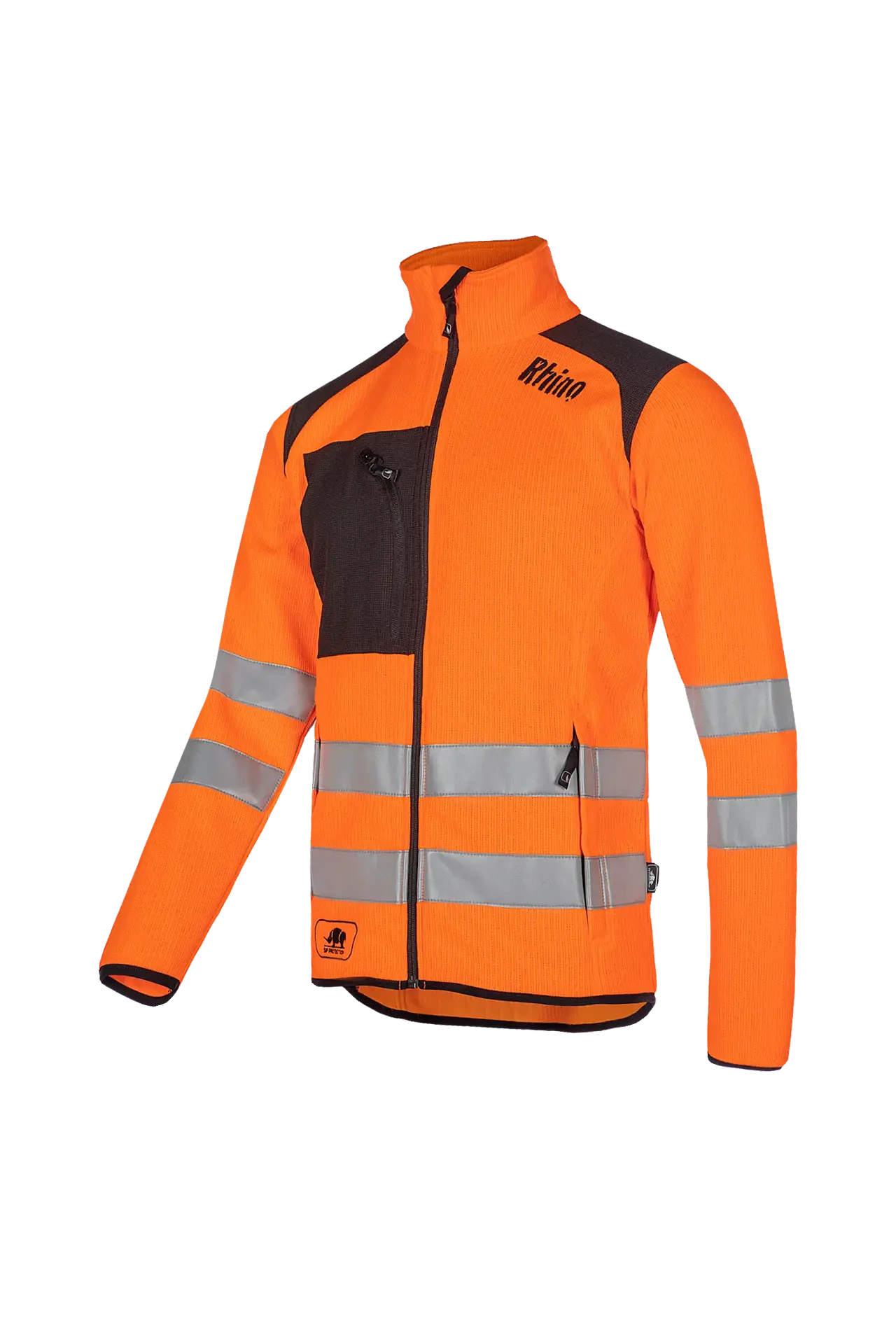
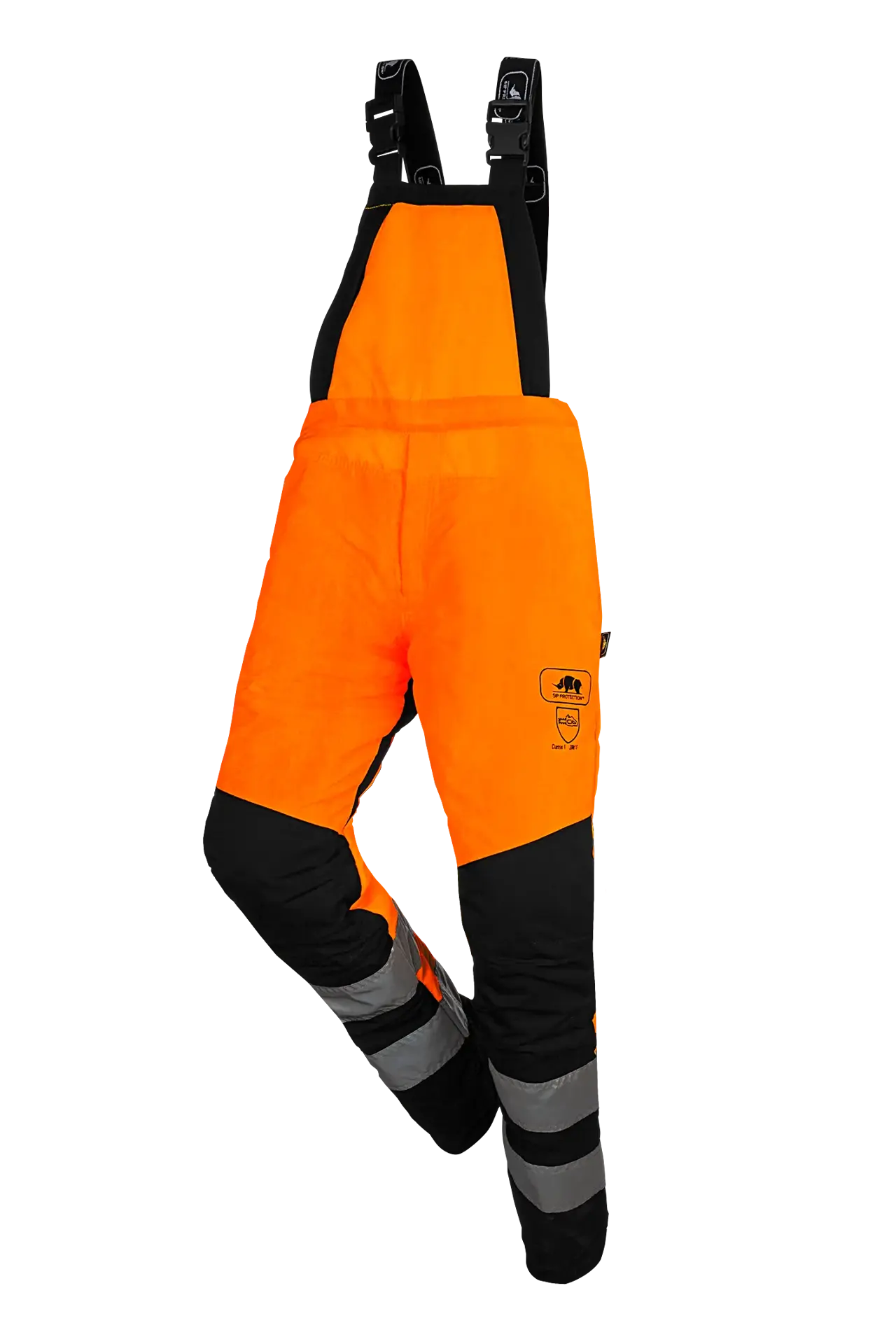
More standards and certifications to discover

EN ISO 11393
EN ISO 11393 provides protection against chainsaws. 4 chain speed classes are identified. Learn more about the types of trousers, jackets and gloves.
Read more

EN 17353
EN 17353 is the standard for medium risk situations in daylight conditions or dark with headlights. There are 3 types.
Read more

EN ISO 17249
EN ISO 17249 is the standard for chainsaw protective boots, which are always also safety boots (EN ISO 20345) that have extra chainsaw protection.
Read more

PPE regulation
All companies in the PPE industry must comply with the 2016/425 Personal Protective Equipment (PPE) regulation.
Read more

KWF Certification
Many of our products have KWF quality labels. Find out more about those labels and the German KWF Competence Centre in this article.
Read more

Test methods
Testing is needed to certify our products and to maintain our high quality. Read more about the different test methods used.
Read more